 How-to
Why Professional Roof Installation Costs More in 2026
Table of Contents
- Why Professional Roof Installation Costs More: The Real Breakdown
- What Is Included in a Roof Replacement (That Cheap Quotes Skip)
- How Roofing Estimate Comparison Reveals the True Price Gap
- Questions to Ask a Roofing Contractor Before You Sign
- Roof Replacement Timeline: Why Skilled Crews Take Longer (and Why That's Good)
- Long-Term Value: What You Actually Get for the Higher Roof Installation Costs
- Conclusion: Choosing Quality Over the Lowest Bid
- Frequently Asked Questions
Last Updated: October 8, 2026
Why Professional Roof Installation Costs More: The Real Breakdown
When you compare roofing bids, the lowest number rarely tells the whole story. Professional roof installation costs more because a real quote covers labor, materials, permits, and cleanup that cheap bids quietly leave out. At Roof King LLC, we've walked homeowners through thousands of estimates, and the gap almost always comes down to what's missing, not what's overpriced.
A roof is a system, not a stack of shingles. The price reflects how many layers of that system a crew actually installs.
Here's what most guides get wrong: they treat the cheapest bid as the baseline and the higher bid as the "upsell." That's backwards. The cheap bid is the outlier, and it's usually cheap for a reason you won't see until the first hard rain.
Below, we'll break down exactly where the money goes, why a real roof installation costs what it does, and how to spot a bid that's missing half the job.
What Is Included in a Roof Replacement (That Cheap Quotes Skip)
A full roof replacement includes tear-off of the old roof, inspection and repair of the decking, new underlayment, ice and water shield, flashing, ventilation, and the finished roofing material. Cheap quotes often skip the tear-off, reuse old flashing, or leave ventilation untouched.
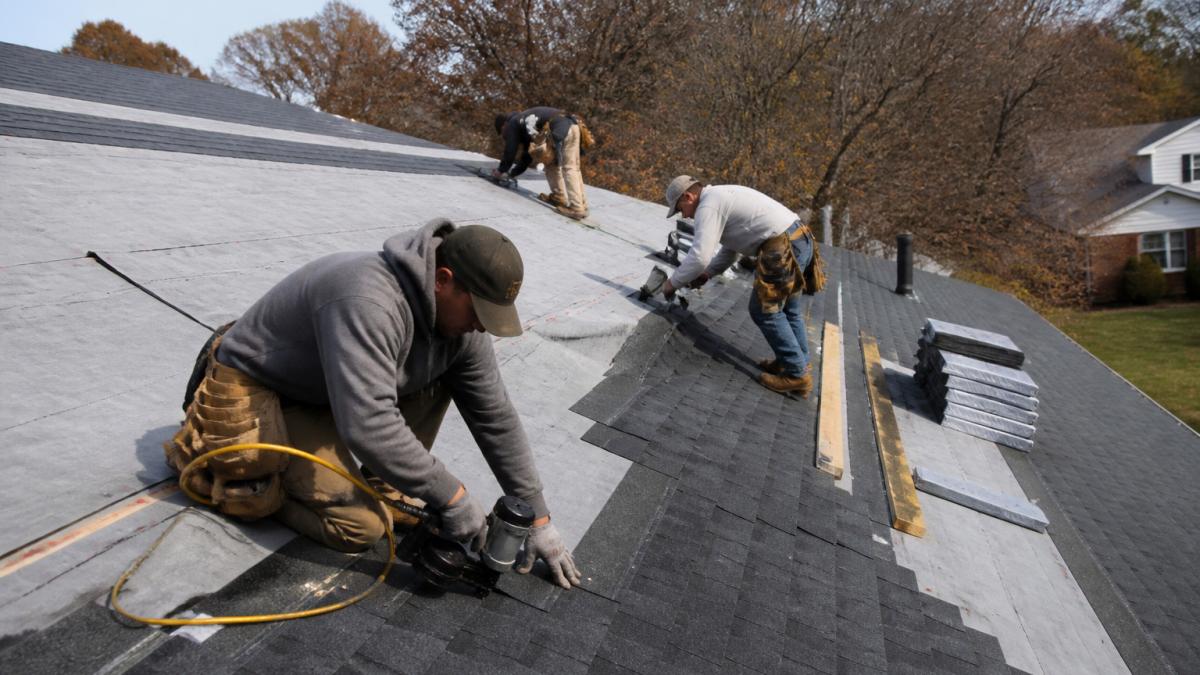
That difference is the whole ballgame. A roof installed over the old one traps heat and moisture. Reused flashing leaks at the seams within a few seasons.
Tear-Off, Decking, and Underlayment: The Hidden Line Items
Tear-off is labor-heavy and disposal costs money. Every square of old shingles has to come off, get loaded, and get hauled to a landfill.
Decking is the next hidden cost. Soft or rotted boards get replaced before anything new goes down. A cheap crew skips this step and shingles the rot.
Underlayment and ice and water shield protect the deck from water that gets past the shingles. In our climate, that layer matters more than most homeowners realize.
Permits, Inspections, and Code Compliance
Permits and inspections are a real line item, and skipping them shifts risk onto you. A permitted job gets inspected at key stages, which catches problems before they're buried under shingles.
Code compliance also covers ventilation and fastening. A roof that meets code handles snow load and wind better than one that doesn't.
How Roofing Estimate Comparison Reveals the True Price Gap
A roofing estimate comparison only works when you compare line items, not totals. Put two bids side by side and check whether each one includes tear-off, decking, underlayment, flashing, ventilation, permits, and disposal. The gaps tell you where the cheap number came from.
Here's how to read the two bids you're most likely to get:
| Line Item | Typical Cheap Bid | Professional Bid | Why It Matters |
|---|---|---|---|
| Tear-off | Often skipped | Included | Prevents trapped moisture |
| Decking repair | Not listed | Inspected and replaced | Stops rot and sagging |
| Underlayment | Basic felt | Ice and water shield | Blocks leaks at edges |
| Flashing | Reused | Replaced | Prevents seam leaks |
| Ventilation | Ignored | Balanced intake and exhaust | Cuts heat and ice dams |
| Permits | Not pulled | Pulled and inspected | Keeps you compliant |
| Cleanup | Partial | Full haul-away | Protects your yard |
The right column is what you're actually paying for. A bid that's missing three of those rows isn't cheaper. It's incomplete.
Book my free Roof Quote Today →
Questions to Ask a Roofing Contractor Before You Sign
Ask any contractor these questions before you sign: who pulls the permit, what happens if decking is rotted, how long the crew will be on site, and how they document damage for insurance. The answers separate a real roofer from a storm chaser.
Use this checklist when you interview a contractor:
- Who pulls the permit, and will you show me the inspection sign-off?
- What's the plan if the decking is soft or rotted?
- Will you replace flashing and ventilation, or reuse them?
- How do you document damage for an insurance claim?
- What's the written timeline, and how do you update me?
- Who handles cleanup and disposal?
- What's the written warranty, and who backs it?
Roof Replacement Timeline: Why Skilled Crews Take Longer (and Why That's Good)
A roof replacement timeline runs one to three days for a simple home and longer for steep or complex roofs. Skilled crews take longer because they tear off fully, inspect decking, and install each layer correctly instead of rushing the finish.
Speed sounds good until you find out what got skipped to get there. A one-day crew usually skipped the decking inspection or rushed the flashing.
Expect this rough sequence:
- Day one: tear-off, decking inspection, and any board replacement
- Day two: underlayment, ice and water shield, and flashing
- Day three: shingles, ventilation, and final cleanup
Weather and roof pitch can stretch that timeline. A crew that tells you otherwise is guessing.
Long-Term Value: What You Actually Get for the Higher Roof Installation Costs
Higher roof installation costs buy a longer service life, fewer leaks, and a warranty you can actually use. A properly installed roof protects the deck, the attic, and everything below it for decades instead of a few seasons.
The cheap roof fails early. Then you pay twice: once for the first roof, once for the replacement.
Conclusion: Choosing Quality Over the Lowest Bid
The hardest part of a roof project is trusting a number you can't fully see. That's why we walk every homeowner through the line items, document storm damage for insurance, and pull the permit ourselves. Our Roof King LLC team offers a free Roof Quote, a storm-ready inspection package, and full insurance claim assistance so nothing gets missed. Get started with Roof King LLC and protect your home with a roof built to last.
Frequently Asked Questions
Why does professional roof installation cost more than a basic roofing quote?
A basic quote often covers only shingles and labor, while professional roof installation costs include tear-off, new underlayment, flashing, permits, and disposal. It also covers proper ventilation and code-compliant fastening. These steps protect your home from leaks and storm damage. Skipping them may save money upfront but leads to expensive repairs later.
What is included in a professional roof installation?
A professional installation typically includes removing old roofing, inspecting and repairing the deck, installing ice and water shield, synthetic underlayment, new flashing, and ventilation. It also covers cleanup and disposal. In areas with heavy snow and ice, crews add extra protection at valleys and eaves. This comprehensive scope is a major reason professional roof installation costs more than a patch job.
How can I compare roofing estimates fairly?
Ask each contractor for a line-item breakdown: materials, labor, tear-off, disposal, permits, and warranty. Check if they include ice and water shield and proper ventilation. A low bid may exclude these. Compare the scope, not just the total. Also verify licensing and insurance. This roofing estimate comparison helps you see the true value behind the price difference.
What questions should I ask a roofing contractor before hiring?
Ask about their license, insurance, and local experience with snow and ice. Request a written scope of work and timeline. Ask how they handle unexpected deck damage and whether they pull permits. Inquire about warranty terms and who handles insurance claims. These questions to ask a roofing contractor reveal whether the higher price reflects better workmanship and protection.