 Ultimate guide
Signs Your Roof Needs Replacement: 2026 Guide
Last Updated: October 23, 2026
Quick Summary
Your roof needs replacement when shingles show widespread curling, buckling, or cracking affecting 10% or more of the visible surface, when the roof is over 20 years old, or when water intrusion and structural damage are visible. Multiple warning signs together indicate your roof has reached the end of its useful life.
- Asphalt shingles typically last 15-25 years, with Michigan roofs averaging 15-20 years due to freeze-thaw cycles and heavy snow.
- Missing shingles, active leaks, sagging rooflines, and visible water stains in attics are emergency signs requiring immediate replacement.
- Repair is appropriate for isolated damage on roofs under 15 years old, while replacement is necessary when damage is widespread or repair costs exceed 50% of replacement costs.
- Professional inspection is critical if your roof is over 15 years old, you've experienced severe weather, or you notice water stains and leaks.
- Metal roofs last 40-50 years, tile roofs last 50+ years, and flat roofs last 15-20 years, each with different replacement timelines.
Table of Contents
- 12 Warning Signs Your Roof Needs Replacement
- How Long Does a Roof Last: Understanding Roof Lifespan
- Roof Damage Signs Inside Your House
- Roof Replacement vs. Repair: When to Choose Each
- Safe Roof Inspection Checklist for Homeowners
- Storm Damage, Insurance Claims, and Next Steps
- Frequently Asked Questions
12 Warning Signs Your Roof Needs Replacement
Your roof is one of the most critical components of your home's protection system.
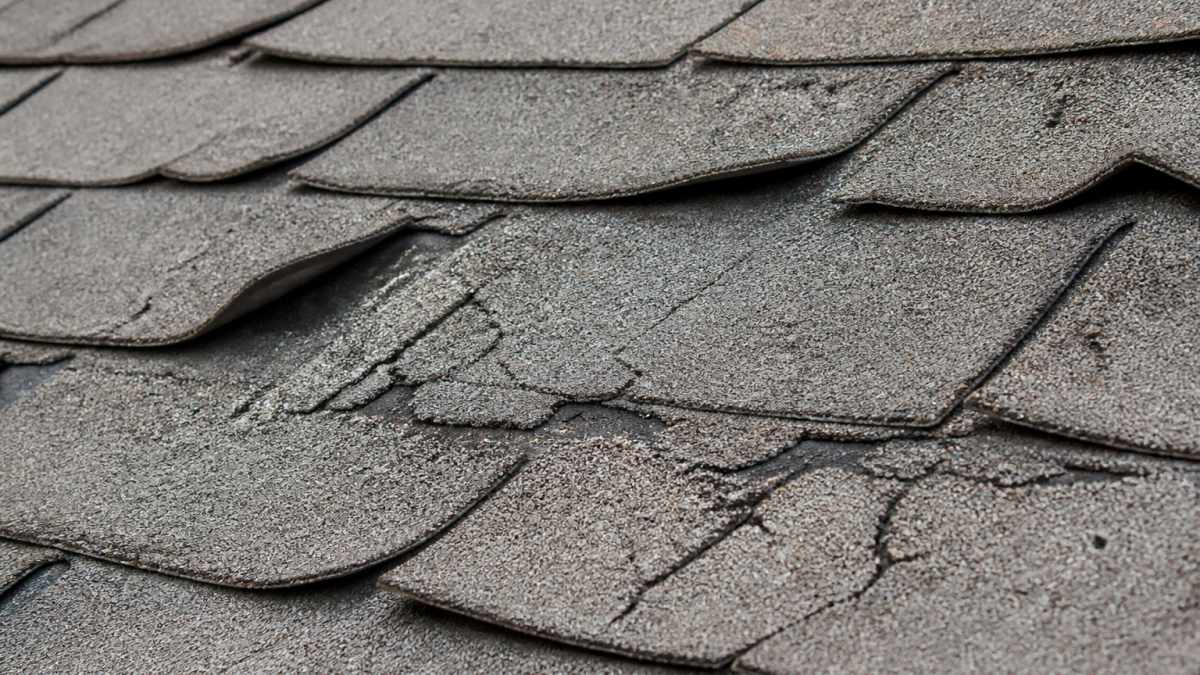
The following 12 warning signs your roof needs replacement are the ones homeowners and property managers should take seriously. Some indicate immediate danger; others suggest you have months to plan.
Visible Shingle Damage: Curling, Buckling, and Cracking
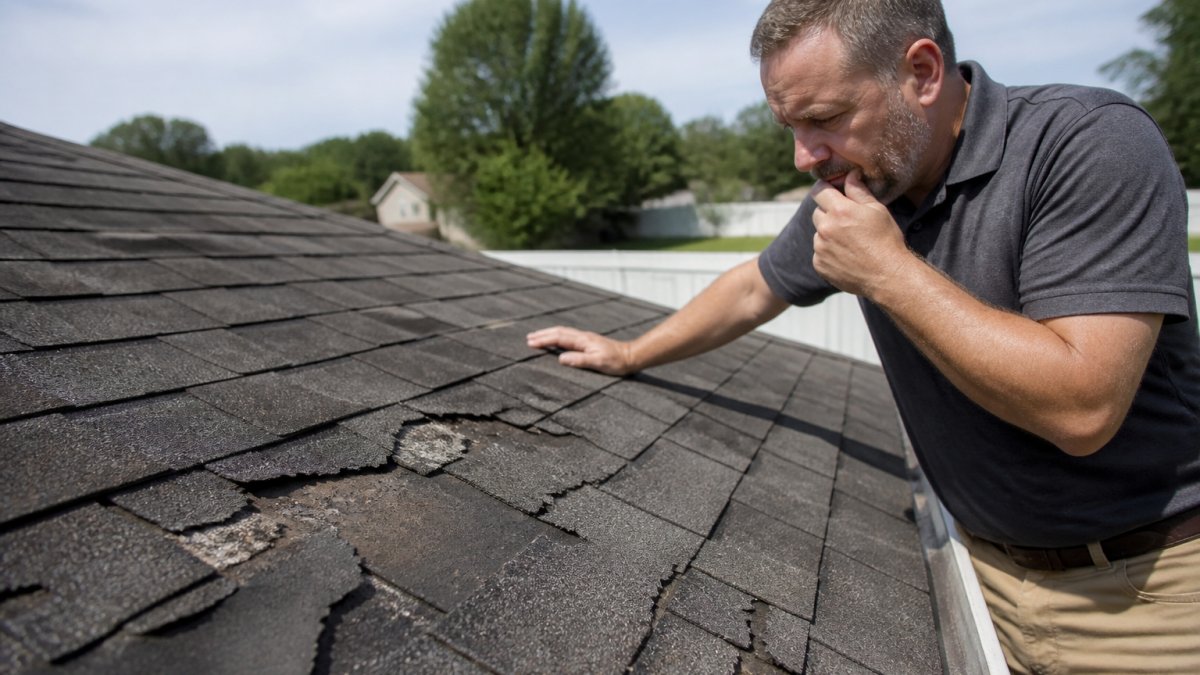
Shingle damage is one of the most visible indicators that your roof needs replacement. When asphalt shingles begin to curl at the edges or buckle in the middle, they're no longer shedding water effectively. Curling happens as shingles age and lose their flexibility.
Cracked shingles are equally problematic. A single crack might seem minor, but it allows water to penetrate the layer beneath, leading to rot and structural damage over time.
The key difference: one or two damaged shingles can be repaired. But if curling, buckling, or cracking affects 10% or more of your visible roof, replacement is the better choice. Patching individual shingles on an aging roof is like applying a band-aid to a much larger problem.
Missing, Loose, or Damaged Shingles and Tiles
Missing shingles are an emergency. They expose the underlayment and decking directly to rain, snow, and UV damage. Even one missing shingle can lead to water intrusion within days of heavy rain.
Loose shingles are almost as serious. High winds, poor installation, or age can cause shingles to lift away from the deck.
Damaged tiles, if you have a tile roof, present similar risks. Cracked, chipped, or broken tiles compromise the waterproof barrier.
Granule Loss and Granules in Gutters
Asphalt shingles are coated with granules that protect them from UV damage and help shed water (D3018/D3018M Standard Specification for Class A Asphalt Shingles Surfaced with Mineral...). As shingles age, these granules wear away.
Some granule loss is normal over a roof's lifetime.
Check your gutters regularly. If you're finding significant amounts of granules, especially during dry weather when there's no reason for debris to accumulate, your roof needs replacement within the next year or two.
Roof Leaks and Water Intrusion
An active leak is the clearest sign your roof needs replacement. If water is dripping into your attic or interior spaces during rain, the roof's waterproof barrier has failed.
Leaks can originate from multiple sources: failed flashing around chimneys or vents, deteriorated shingles, or compromised underlayment.
The real danger: you might not notice a leak until significant damage has already occurred. Water can travel along framing members, insulation, and interior walls before you see evidence of it.
Ceiling and Attic Water Stains
Water stains on your ceiling or attic framing are evidence of past or ongoing water intrusion. Dark stains, discoloration, or soft spots in drywall indicate water has been present long enough to soak through multiple layers.
Attic inspection is critical. Look for:
- Discolored or stained wood framing
- Wet or damp insulation
- Mold or mildew growth
- Soft or spongy areas in the roof deck
These signs suggest your roof has been leaking for weeks or months, long enough to cause structural damage. If you find water stains in your attic, your roof needs replacement, and you should have a professional assess the extent of the damage beneath.
Sagging Roofline or Roof Deck
A sagging roofline is a structural emergency. It indicates that the roof deck or the framing supporting it has weakened, usually due to prolonged water damage, rot, or inadequate support.
Look at your roofline from a distance. Does it appear to sag in the middle or dip between support points? That's not normal.
Sagging roofs require immediate professional assessment. The roof deck may be on the verge of failure, which could lead to collapse during heavy snow load or severe weather.
Moss, Algae, and Biological Growth
Moss and algae growth on your roof indicates moisture is being retained on the surface.
This is particularly common in shaded areas or climates with high humidity. The growth itself isn't the primary problem, the problem is that shingles retaining moisture deteriorate faster than shingles that dry quickly.
If you have extensive moss or algae, your roof is likely in its final years. The growth is a symptom of aging shingles that have lost their water-shedding effectiveness.
How Long Does a Roof Last: Understanding Roof Lifespan
Your roof's age is one of the most straightforward indicators of whether replacement is necessary. Different roofing materials have different expected lifespans, and understanding yours helps you plan ahead.
Asphalt Shingles and Expected Life Expectancy
Asphalt shingles are the most common residential roofing material. They typically last between 15 and 25 years, depending on climate, installation quality, and maintenance.
In Michigan's climate, with freeze-thaw cycles, heavy snow, and significant temperature swings, asphalt shingles tend toward the lower end of that range.
If your roof is approaching 20 years old and you're seeing any of the warning signs listed above, replacement should be your priority.
Book my free Roof Quote Today →
Metal, Tile, and Flat Roof Lifespans
Metal roofs are significantly more durable than asphalt shingles. They typically last 40-50 years or more, making them a long-term investment.
Tile roofs (clay or concrete) also have long lifespans, 50+ years in many cases (Concrete Roofing Tiles).
Flat roofs, common on commercial properties and some residential buildings, typically last 15-20 years. They're more prone to ponding water and membrane failure, so inspection is critical as they age.
Roof Damage Signs Inside Your House
Sometimes the first evidence of roof problems appears inside your home, not on the roof itself. These interior signs demand immediate attention.
Water stains on interior ceilings, especially near walls or in corners, indicate water is traveling through your roof system.
Attic inspection is your best tool. During daylight hours, look for light coming through the roof deck, that's a hole or gap that needs attention.
Roof Replacement vs. Repair: When to Choose Each
Not every roof problem requires full replacement. Understanding when to repair versus when to replace can save money and prevent future problems.
Repair is appropriate when:
- The roof is under 15 years old
- Damage is isolated to one or two areas
- The underlying structure is sound
- Water intrusion hasn't caused structural damage
- You're addressing a specific, localized problem
Replacement is necessary when:
- The roof is over 20 years old
- Damage is widespread across multiple areas
- The roof has been leaking for an extended period
- Structural damage is visible (sagging, rot, soft spots)
- Repair costs would exceed 50% of replacement costs
- The roof is failing in multiple ways simultaneously
At Roof King LLC, we help homeowners make this decision by conducting a thorough inspection and explaining what we find in clear terms. Sometimes a repair buys you a few more years. Often, replacement is the smarter long-term choice.
| Scenario | Best Choice | Why |
|---|---|---|
| Single missing shingle, roof under 15 years | Repair | Cost-effective; roof has remaining lifespan |
| Widespread granule loss, roof 20+ years | Replacement | Shingles are near end of life |
| Active leak, water damage visible | Replacement | Underlying damage likely; repair is temporary |
| Isolated storm damage, roof 10 years old | Repair | Roof otherwise sound; damage is localized |
| Sagging roofline, soft deck | Replacement | Structural failure; safety risk |
Safe Roof Inspection Checklist for Homeowners
You don't need to climb onto your roof to identify problems. Many warning signs are visible from the ground or from your attic.
Ground-Level Inspection Steps
Start by examining your roof from the ground using binoculars. Look for:
- Missing or damaged shingles
- Visible curling or buckling
- Areas where shingles appear darker or discolored
- Granules accumulating in gutters or on the ground
- Sagging sections of roofline
- Moss or algae growth
Walk around all sides of your home. Storm damage or wear is often concentrated on the side facing prevailing winds or the side that receives the most sun exposure.
Check your gutters and downspouts. Excessive granules, shingle debris, or standing water indicate roof problems. Clogged gutters can also trap moisture against the roof, accelerating deterioration.
When to Call a Professional Inspector
If you notice any of the warning signs listed in this guide, contact a professional. A qualified roof inspector can access areas you cannot safely reach and identify problems that aren't visible from the ground.
Professional inspections are particularly important if:
- Your roof is over 15 years old
- You've experienced severe weather recently
- You're buying or selling a home
- You're filing an insurance claim for storm damage
- You've noticed water stains or leaks
A professional inspection can prevent significant damage by catching problems early.
Storm Damage, Insurance Claims, and Next Steps
Storm damage is one of the most common reasons homeowners need roof replacement.
If you experience severe weather, inspect your roof carefully afterward. Look for missing shingles, dents in metal components, or new leaks.
If you have homeowner's insurance, you may be covered for storm damage.
Don't delay if you suspect storm damage.
Identifying when your roof needs replacement protects your home from costly water damage and structural failure.
Frequently Asked Questions
What are the most obvious signs your roof needs replacement?
The clearest warning signs your roof needs replacement include missing or curling shingles, visible water stains on ceilings or attic walls, granules collecting in gutters, sagging rooflines, and active roof leaks. If your roof is over 20 years old and shows multiple signs, replacement is typically the better choice than repair. A professional inspection confirms whether repair or full replacement is necessary.
How long does a roof last before needing replacement?
Asphalt shingle roofs typically last 15-20 years depending on climate exposure and maintenance. Metal roofs can last 40-50 years, while tile and slate roofs may exceed 50 years. Harsh weather, poor ventilation, and missed maintenance shorten lifespan. Your roof's age combined with visible damage signs determines whether replacement is overdue.
When should I choose roof repair over replacement?
Repair makes sense when damage is isolated to one or two areas, your roof is under 15 years old, and structural integrity is sound. If damage covers more than 30% of the roof, your roof is nearing end-of-life, or you've had multiple repairs in recent years, replacement is more cost-effective long-term. A professional assessment clarifies which option protects your home best.
What roof damage signs inside my house indicate I need replacement?
Water stains on ceilings or interior walls, dark spots in the attic, visible mold or mildew, sagging drywall, and peeling paint inside upper-story rooms all signal roof leaks or water intrusion. Check your attic after heavy rain for moisture, wet insulation, or staining on roof decking. These interior signs often appear before external damage is obvious and warrant immediate professional inspection.
Can a roof look fine on the outside but still need replacement?
Yes. Structural damage, interior water intrusion, and underlying decay aren't always visible from ground level. A roof may appear intact while the deck underneath is rotting or the flashing is failing. This is why annual professional inspections matter, especially after storms. Professional roofers use specialized tools to assess hidden damage that determines whether replacement is necessary.
How do I safely inspect my own roof for damage?
Inspect from the ground using binoculars to spot curling, missing shingles, granule loss, and flashing damage. Check gutters and downspouts for excessive granules. Inside, examine your attic for water stains, mold, or daylight coming through the roof. Avoid climbing onto the roof yourself, it's dangerous and can cause injury. A professional inspection is safer and more thorough.