 How-to
Signs of Ice Dam Damage on Roof: 7 Warning Signs
Table of Contents
- Signs of Ice Dam Damage on Roof: What to Look For First
- How to Inspect a Roof for Ice Dam Damage
- Ice Dam Damage in the Attic: Hidden Warning Signs
- Signs of Roof Leaks in Winter: When Ice Dams Strike
- What to Do About an Ice Dam: Step-by-Step
- Preventing Ice Dam Damage Before Next Winter
- When to Call a Roofing Professional for Ice Dam Damage
- Conclusion
- Frequently Asked Questions
Last Updated: October 19, 2026
Signs of Ice Dam Damage on Roof: What to Look For First
Ice dam damage is the hidden roof problem that shows up weeks after the snow melts. If you live in Lenawee or Jackson County, you already know what a hard winter looks like. At Roof King LLC, we see the same pattern every spring: homeowners spot a stain on the ceiling and assume it came from a recent storm. Usually, it started months earlier at the roof edge.
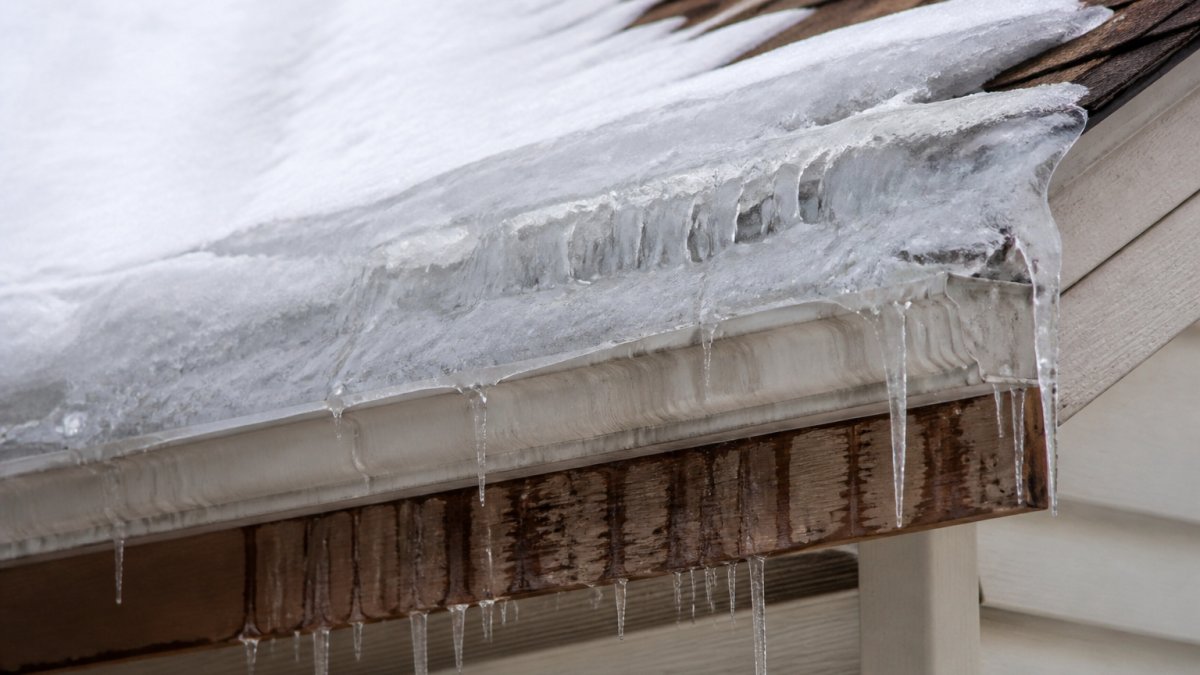
Here is the short version. An ice dam forms when snow melts high on the roof, runs down to the cold eave, and refreezes. Water backs up behind that ridge of ice and works its way under the shingles. The damage happens out of sight.
Below, we break down the warning signs in the order you are most likely to notice them. Catch them early and you may only need a repair. Miss them and you are looking at sheathing, insulation, and drywall.
How to Inspect a Roof for Ice Dam Damage
Learning how to inspect a roof for ice dam damage starts with knowing where to look. You are checking three zones: the roof edge, the attic, and the ceilings below. You do not need to climb a ladder in winter to do most of it.
Safe Inspection from the Ground and Attic
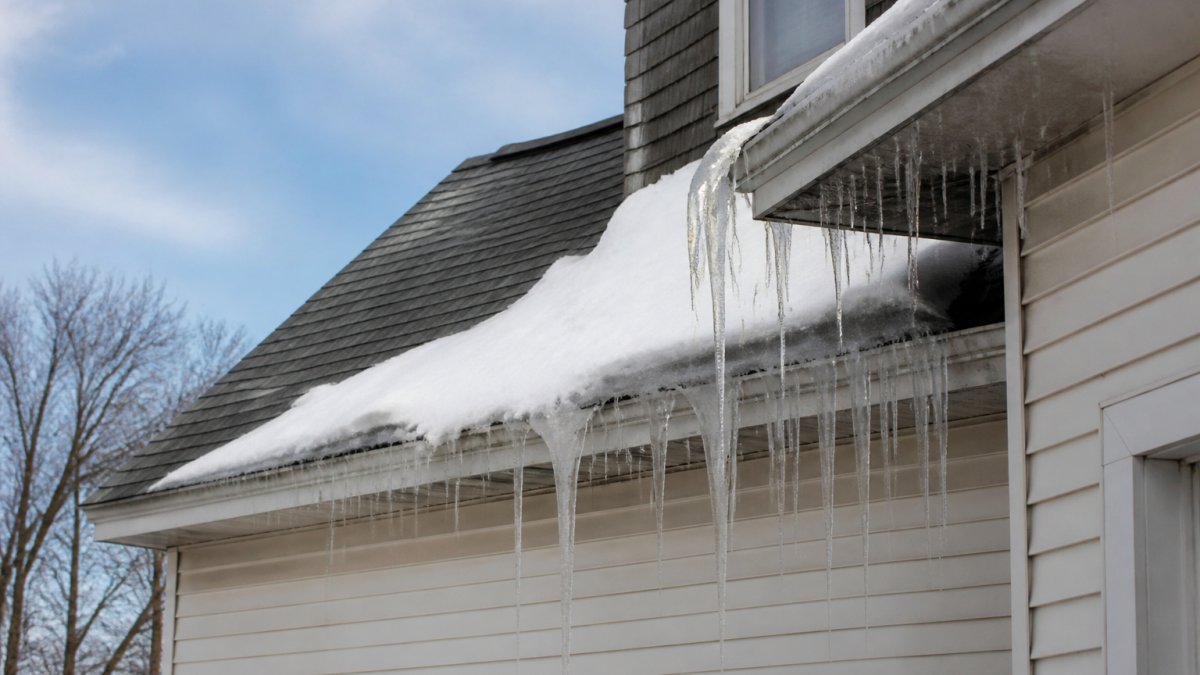
From the ground, use binoculars to scan the eave line. Look for icicles that hang in a solid curtain rather than scattered spikes. Check the gutters for a bulge of ice behind them. Look at the fascia board for dark streaks or peeling paint.
In the attic, take a flashlight and check the underside of the roof deck. Run your hand along the wood near the exterior walls. Damp wood, dark staining, or white chalky residue means moisture has been getting in.
- Solid icicle curtains along the eave
- Ice visible behind the gutter, not just in it
- Dark streaks on fascia or soffit
- Damp or stained roof decking in the attic
- Rusted nails poking through the sheathing
Ice Dam Damage in the Attic: Hidden Warning Signs
Ice dam damage in the attic is where the real story shows up. By the time water reaches your ceiling, it has already soaked the decking and insulation. The attic tells you how bad it is.
Start with the wood. Stained rafters, soft sheathing, and rusted nail tips all point to repeated wetting and drying. Next, check the insulation. Compressed, clumpy, or damp insulation near the exterior walls loses its ability to hold heat.
Then look for mold. Dark speckling on rafters or sheathing means moisture has been sitting long enough to grow it. That is a sign the problem is not new.
One more thing: pull back any insulation that touches the roof deck. If the deck feels cold and wet underneath, the ice dam has been feeding moisture into the attic for a while.
Signs of Roof Leaks in Winter: When Ice Dams Strike
The signs of roof leaks in winter look different from summer leaks. In warm months, a leak shows up fast and in one spot. In winter, ice dams push water slowly and sideways, so leaks appear in odd places.
Watch for these:
- Brown or yellow rings on ceilings, often near exterior walls
- Bubbling or peeling paint on interior walls
- Water stains that spread along a wall rather than down it
- Damp spots around windows and exterior door frames
- A musty smell in rooms below the roof line
The timing matters. If a stain grows on a sunny day after a freeze, that is classic ice dam behavior. Melting snow on the upper roof feeds the dam, and the backed-up water finds a path inside.
If you see any of these, document them with photos and the date. That record helps when you file a claim.
What to Do About an Ice Dam: Step-by-Step
Knowing what to do about an ice dam can limit the damage while you wait for help. Act on the water first, the ice second.
Book my free Roof Quote Today →
Immediate Steps to Stop the Damage
- Move valuables and set up containment. Buckets, towels, and plastic sheeting under active drips protect floors and furniture.
- Clear snow off the lower roof safely. Use a roof rake from the ground. Take the bottom few feet first, never the whole roof at once.
- Open a channel for meltwater. Fill a leg of pantyhose with calcium chloride ice melt and lay it across the dam. It cuts a path so water can drain.
- Do not chip or hammer the ice. You will damage shingles and possibly yourself.
- Photograph everything. Ceiling stains, ice buildup, damaged shingles. Date each photo.
- Call a roofer for an assessment. The sooner someone looks at the decking and attic, the sooner you know the real scope.
Preventing Ice Dam Damage Before Next Winter
The best defense against ice dam damage is a roof that stays cold. Ice dams form because heat escapes the attic and warms the roof deck. Fix the heat, and you fix the cause.
Start with attic insulation. Gaps and thin spots let warm air reach the roof. Seal air leaks around light fixtures, vents, and the attic hatch. Then check ventilation at the soffit and ridge so cold air can move through.
Clear the gutters before the first snow. Clogged gutters trap water that freezes and starts the dam. Trim back tree limbs that shade the roof and slow melting.
Our Storm-Ready Roof inspection and maintenance package is built around this checklist. We check insulation, ventilation, flashing, and drainage before winter sets in.
| Problem | Fix | Why It Matters |
|---|---|---|
| Warm attic air | Add insulation, seal air leaks | Keeps roof deck cold so snow does not melt and refreeze |
| Poor ventilation | Open soffit and ridge vents | Moves cold air through the attic |
| Clogged gutters | Clean before first freeze | Stops water from pooling and freezing at the edge |
| Missing drip edge | Install proper flashing | Directs meltwater away from the fascia |
When to Call a Roofing Professional for Ice Dam Damage
Call a professional when water is coming inside, when the attic shows mold or soft wood, or when the ice keeps returning year after year. Those point to problems beyond a quick fix.
At Roof King LLC, we handle full roof replacements, repairs, and insurance claim assistance. That last part matters. A common frustration we hear is worry that a contractor will do the work but fail to document the damage properly. We photograph and document everything so your claim has a clear record.
We also work on commercial properties, not just homes. An older commercial roof in Jackson gets the same careful assessment as a residential one. Pricing depends on the scope of the work, so we give a clear quote after we see the roof.
If you are comparing roofers, ask how they handle claim documentation and how they keep you updated on timelines. Those two answers tell you a lot.
Conclusion
Ice dams are patient. They work quietly under the snow and show up as a ceiling stain weeks later. The good news is that the warning signs are readable if you know where to look: the eave line, the attic deck, and the ceilings below.
Catch them early and you are dealing with a repair. Ignore them and the bill grows.
If you have spotted any of these signs, do not wait for the next thaw. Roof King LLC offers free roof quotes, thorough damage documentation, and honest assessments built for our winters. Book your free Roof Quote today and get a clear picture of what your roof needs before the next storm.
Frequently Asked Questions
What are the first signs of ice dam damage on a roof?
The earliest signs include icicles hanging from the roof edge, a ridge of ice along the eaves, and water stains on the siding or fascia. Inside, you may notice discoloration on ceiling or walls. These signs of ice dam damage on roof surfaces often appear before major leaks. If you see any of them, document the damage with photos and contact a roofing professional promptly.
How can you tell if an ice dam is causing a roof leak?
Look for water stains on ceilings, walls, or in the attic, especially near exterior walls. Ice dam damage in attic spaces often shows as wet insulation, mold, or peeling paint. You might also see icicles forming despite no snowmelt, or water dripping from soffits. These are signs of roof leaks in winter that point to ice dams. A professional inspection can confirm the source.
Can ice dams damage shingles, gutters, or the roof structure?
Yes, ice dams can tear off shingles, loosen gutters, and warp flashing. Water backed up behind the dam can rot roof decking, rafters, and insulation. Over time, structural damage may occur. Signs include missing shingles, sagging gutters, and water stains in the attic. Prompt repairs and preventative measures like proper insulation and ventilation help avoid costly fixes.
What should I do if water is leaking through the ceiling?
First, move furniture and valuables away, then place a bucket under the leak. Do not climb onto the roof. Use a roof rake from the ground to remove snow, and if safe, chip channels in the ice dam to allow drainage. Call a roofing professional immediately to assess the damage and prevent further issues. Document everything for insurance claims.