 How-to
Professional Roof Inspection Services: Complete Guide
Table of Contents
- What Professional Roof Inspection Services Include
- Roof Inspection Checklist by Component
- Roof Inspection After Storm Damage: What to Expect
- How Often to Inspect a Roof: Maintenance Schedule
- Understanding Your Roof Inspection Report
- Residential vs. Commercial Roof Inspections
- Why Professional Inspection Beats DIY Assessment
- Conclusion
- Frequently Asked Questions
Last Updated: October 21, 2026
What Professional Roof Inspection Services Include
A professional roof inspection is a systematic, documented evaluation of your entire roofing system, not a quick look from the driveway. A trained inspector works in a defined order so nothing gets skipped, and every finding is tied to a location, a photo, and a recommended action. At Roof King LLC, we follow that same process on every roof.
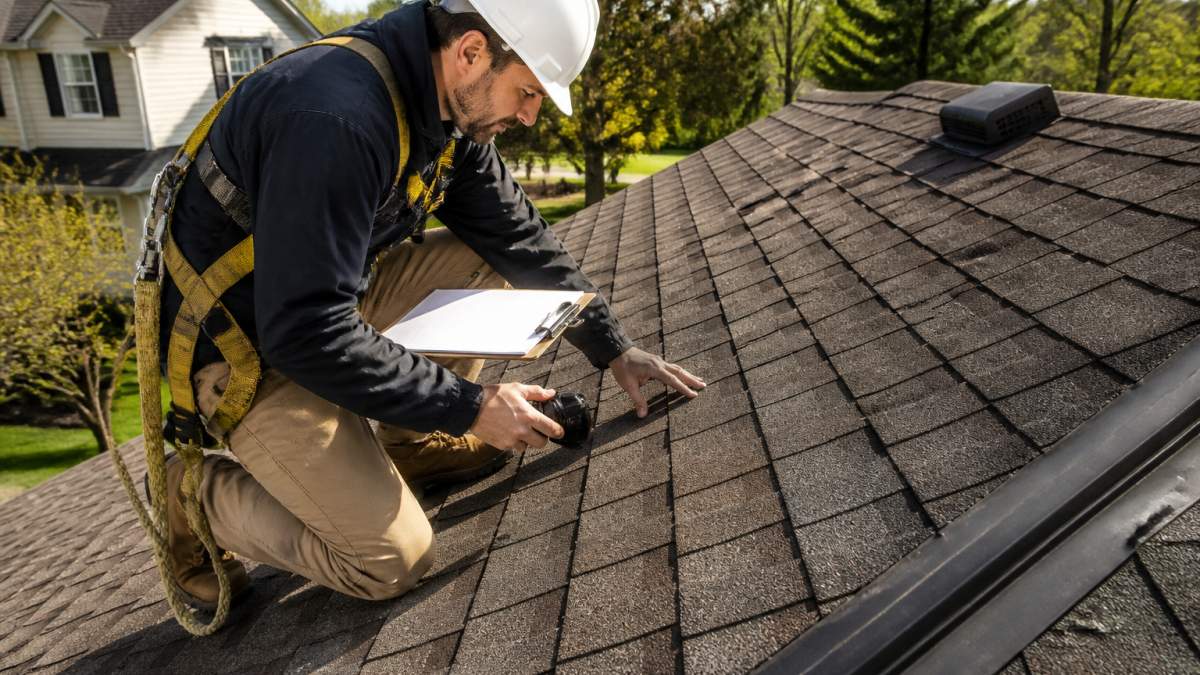
Here is what a professional inspection actually involves, step by step.
The Step-by-Step Inspection Process
**1.
**2.
3. Roof surface walk (when safe). If pitch, material, and weather allow, the inspector walks the roof with proper fall protection.
**4.
5. Photo documentation and measurement. Every finding is photographed wide for context and close-up for detail, and problem areas are measured and located (for example, 'north slope, 6 feet up from the eave'), making the report usable for repair planning and insurance claims.
6. Written report and debrief. The inspector compiles findings into a written report organized by urgency, with photos, measurements, and recommended next steps, then walks you through it and answers questions before leaving.
Structural Assessment and Safety Evaluation
Your roof's structural integrity determines whether it can support its own weight, resist wind loads, and shed water.
Inspectors check for soft spots indicating water damage, assess support beams, verify the roof can handle snow and high winds, and evaluate the attic for moisture infiltration or inadequate ventilation.
Inspectors document measurements, photograph problem areas, and note any deviations from building code standards, creating a record that protects owners and contractors.
Damage Documentation for Insurance Claims
When storm damage strikes, proper documentation can make the difference between an approved claim and a denied one. Professional roof inspection services include detailed damage assessment for insurance purposes.
Inspectors photograph each damaged area, measure its extent, and document the date and circumstances.
Many property owners document damage themselves, but adjusters often find these photos insufficient.
Roof Inspection Checklist by Component
A comprehensive roof inspection checklist ensures every critical element is evaluated, preventing overlooked problems that could lead to leaks, structural damage, or safety hazards.
Shingles, Membrane, and Surface Condition
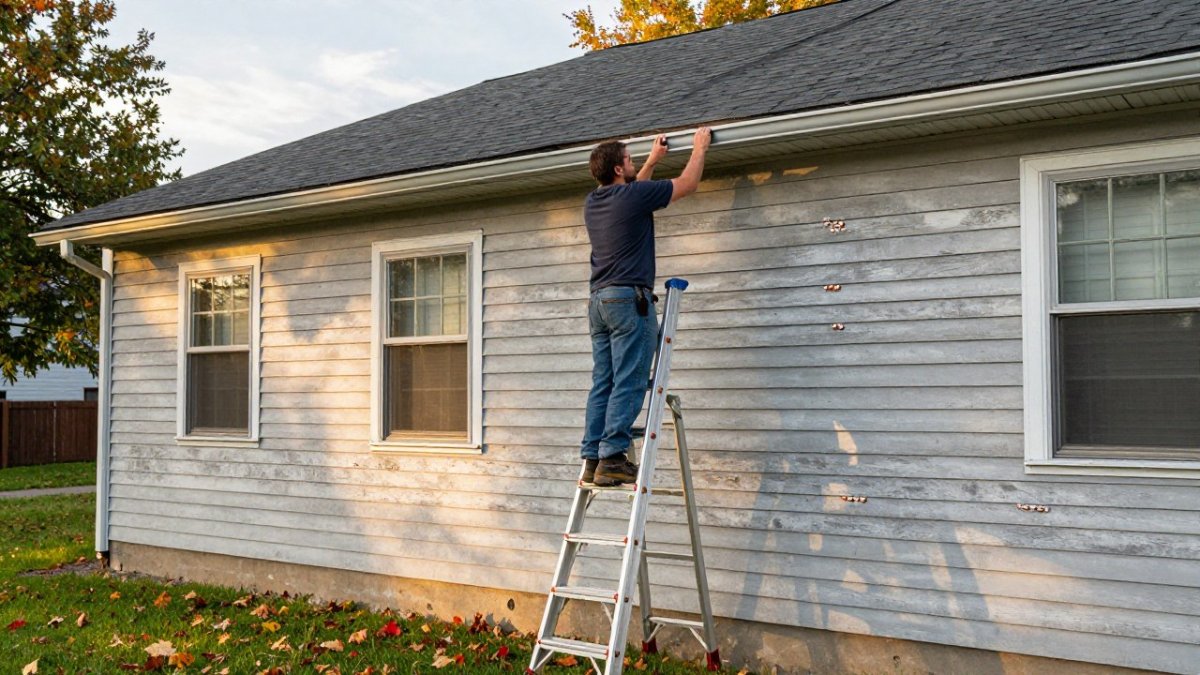
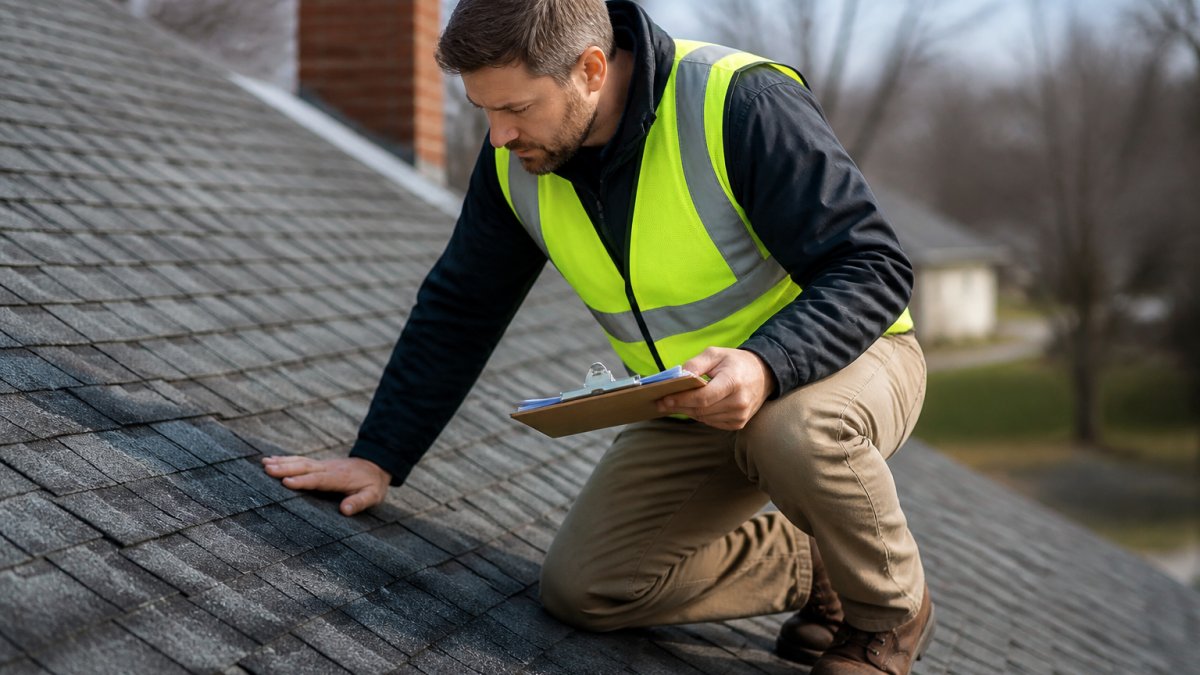
The surface layer takes the most direct impact from weather. Inspectors evaluate shingles or membrane for curling, cracking, blistering, granule loss, and missing sections, which indicate age, UV damage, or improper installation.
For asphalt shingles, inspectors check for:
- Lifted or loose edges that allow wind and water penetration
- Algae or moss growth that traps moisture
- Visible wear patterns indicating uneven aging
- Improper nailing or fastener corrosion
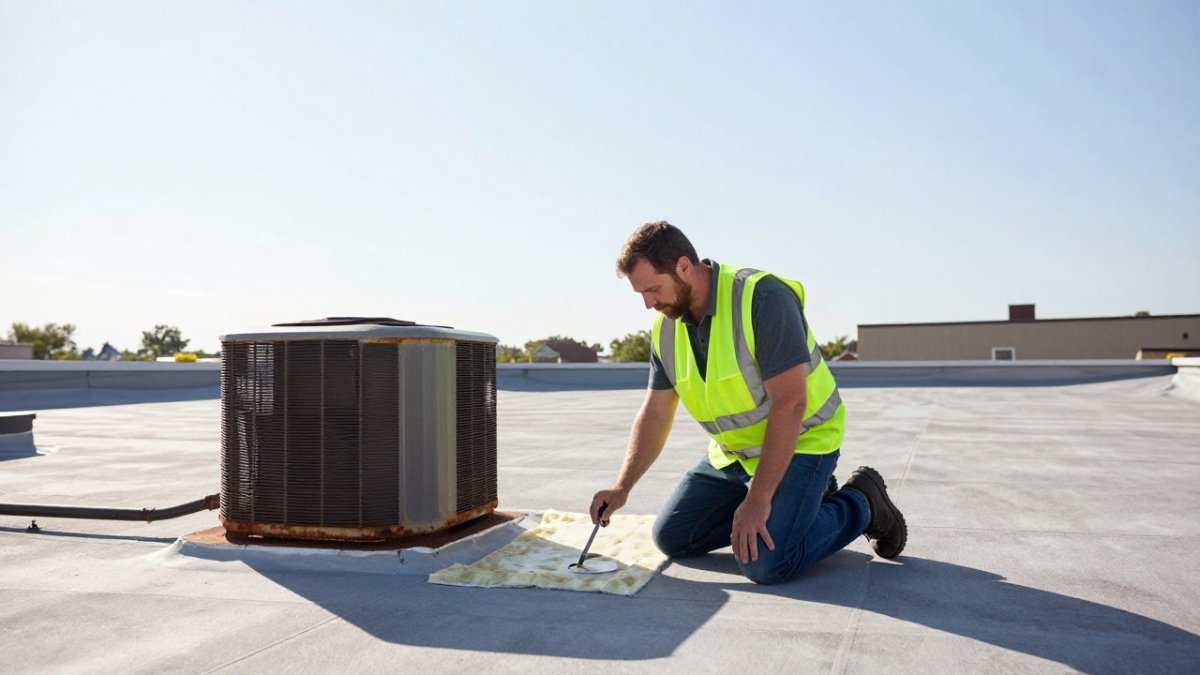
For commercial membrane systems, the inspection focuses on seams, adhesive integrity, and punctures; even small breaches let water into the building envelope.
Surface assessment also checks previous repairs; poor patching often means the underlying problem wasn't addressed.
Flashing, Gutters, and Water Drainage
Flashing is where roof sections meet walls, chimneys, vents, and other penetrations, and where most leaks originate. Inspectors examine it for gaps, corrosion, improper overlap, and separation.
Gutters and downspouts direct water away from your roof and foundation. Inspectors check for:
- Debris accumulation that blocks water flow
- Sagging sections that pool water instead of draining it
- Rust or corrosion indicating age or material failure
- Improper slope preventing adequate drainage
- Disconnected downspouts that deposit water near the foundation
Standing water accelerates roof deterioration, and water near the foundation can lead to basement leaks and structural damage.
Ventilation, Penetrations, and Attic Access
Adequate ventilation prevents attic moisture buildup that degrades insulation, promotes mold, and shortens roof life.
Vents, pipes, antennas, and satellite dishes each require proper flashing and sealing. Inspectors examine every penetration for gaps, deterioration, or improper installation; a single unsealed penetration can let water in.
Attic access lets inspectors evaluate the interior of the roofing system, looking for water stains, mold, inadequate insulation, and ventilation problems invisible from the roof surface.
Roof Inspection After Storm Damage: What to Expect
Storm damage demands immediate professional assessment. Wind, hail, and heavy rain can compromise your roof's protection, and water damage accelerates rapidly once it begins.
When to Schedule an Inspection After Storm Events
Schedule a professional roof inspection as soon as possible after any significant storm. Hail, wind, and water intrusion need urgent attention because secondary damage, mold, structural rot, and interior water damage develop quickly.
Don't wait for visible leaks inside your home. By the time water appears in your living space, it has already traveled through multiple roof layers, insulation, and framing.
If you suspect storm damage but aren't certain, a professional inspection provides clarity.
How Inspectors Document Wind, Hail, and Water Damage
Professional documentation of storm damage follows insurance industry standards. Inspectors photograph each damaged area from multiple angles, measure the size and location of damage, and document the pattern across the roof.
Hail damage appears as impact marks with exposed underlayers.
Book my free Roof Quote Today →
Wind damage typically manifests as lifted shingles, missing shingles, or flashing separation.
Water damage documentation includes identifying the source, whether water is entering through damaged shingles, failed flashing, or other pathways. Tracing water intrusion to its source is critical for permanent repairs.
How Often to Inspect a Roof: Maintenance Schedule
Regular professional roof inspections prevent small problems from becoming expensive disasters. A preventive maintenance schedule keeps your roof in optimal condition and extends its lifespan. The key is knowing both the routine interval and the specific triggers that call for an inspection sooner.
Routine Inspection Intervals
Most roofing professionals recommend a professional inspection every 2-3 years for residential roofs in good condition. Properties with older roofs, previous storm damage, or heavy tree cover may benefit from annual inspections.
A simple way to think about it: the older the roof and the more weather it has seen, the shorter the interval should be.
Triggers That Call for an Inspection Sooner
Beyond the routine interval, schedule an inspection when any of these occur:
- After a significant storm. Hail, high wind, or heavy rain can cause damage that is not visible from the ground. Inspect before the next rain to catch intrusion early.
- After any roof work or repair. A follow-up inspection verifies the work was done correctly and that no new problems were introduced.
- When you notice interior signs. Water stains on ceilings, bubbling paint, or damp attic insulation mean water is already inside the assembly; don't wait for a drip.
- Before buying or selling a property. A pre-purchase or pre-listing inspection gives both parties a documented baseline and can prevent negotiation surprises.
- Before or after an insurance renewal. Documenting condition ahead of a policy change protects you if a claim becomes necessary later.
- When the roof reaches the end of its expected service life. Asphalt shingles, for example, typically last around 20 years depending on material grade and climate; once a roof nears that range, annual checks are prudent.
- After nearby construction or tree work. Debris, foot traffic, and falling limbs can damage a roof without obvious signs.
Seasonal Timing
In regions with cold winters, spring and fall are the natural inspection windows. A fall inspection catches damage from summer storms and prepares the roof for snow and ice; a spring inspection catches winter damage such as ice damming, lifted shingles, and flashing separation. Scheduling in mild weather also means the roof can be walked safely and repairs can be completed before the next season.
Between Professional Inspections
Property owners can perform simple visual checks from the ground between professional visits. Look for missing or lifted shingles, granules collecting in gutters, staining on soffits, and anything that looks different from the last time you looked. Note the date and location of anything suspicious so you can point the inspector to it. These observations help you decide when to call for a detailed assessment, but they don't replace one.
Understanding Your Roof Inspection Report
A professional roof inspection report is your roadmap for maintenance and repair decisions. Understanding what the report tells you helps you prioritize work, plan budgets, and communicate with contractors.
Reading Findings and Repair Recommendations
Inspection reports typically categorize findings by urgency. Immediate repairs address safety hazards or active water intrusion. These problems require prompt action to prevent further damage.
Secondary repairs address issues that don't pose immediate danger but will worsen without attention.
Maintenance recommendations suggest actions that extend roof life. Cleaning gutters, trimming overhanging branches, or improving attic ventilation fall into this category.
The report should include photographs, measurements, and specific locations for each finding.
Choosing a Contractor Based on Inspection Results
Your inspection report is a powerful tool for contractor selection. Share the report with potential contractors and ask how they would address each finding.
Be cautious of contractors who dismiss inspection findings or suggest different approaches without explanation. A qualified contractor can explain why they agree or disagree with inspection findings and justify their recommendations.
Request that any contractor you hire provide a written estimate addressing each finding from the inspection report.
Residential vs. Commercial Roof Inspections
Residential and commercial roofs require different inspection approaches because they use different materials, have different structural systems, and face different usage demands.
Residential roofs typically use asphalt shingles, wood shakes, or tile. Inspections focus on surface condition, flashing integrity, and structural support.
Commercial roofs often use flat or low-slope membrane systems, EPDM, TPO, or modified bitumen. These systems require different inspection techniques because water doesn't drain as readily.
Commercial properties also have higher consequences for roof failure. A leaking residential roof affects one family.
Why Professional Inspection Beats DIY Assessment
Many property owners attempt to inspect their own roofs to save money. While ground-level observation can catch obvious problems, professional inspections reveal issues that remain invisible without proper training and equipment.
Professionals have access to specialized tools, moisture meters, thermal imaging, and high-resolution cameras, that reveal hidden damage.
Safety is another critical factor. Roof work requires proper fall protection and safety protocols. Professional inspectors are trained in roof safety and carry appropriate equipment.
Professional inspections also provide documentation that protects you legally and financially.
Conclusion
Professional roof inspection services provide the detailed assessment and documentation your property needs to stay protected. From identifying hidden damage to supporting insurance claims, professional inspections deliver value that extends far beyond their cost.
At Roof King LLC, we combine detailed inspection protocols with local expertise about Michigan's specific weather challenges. When you're ready to schedule your inspection and discuss your roof's condition, Book my free Roof Quote Today and let our team show you why professional assessment matters.
Frequently Asked Questions
What does a professional roof inspection include?
A professional roof inspection covers the entire roofing system: shingles or membrane condition, flashing around chimneys and vents, gutters and drainage, ventilation, attic access, and evidence of leaks or water intrusion. Inspectors document findings with photos and notes, identify damage from weather events, and assess whether repairs or replacement is needed. For insurance claims, inspectors provide detailed reports that support your documentation of storm damage.
How often should a roof be professionally inspected?
Most roofs benefit from professional inspection every 1-2 years, or annually in areas with severe weather. After major storms, wind, hail, ice, or heavy snow, schedule an inspection within days to catch damage before it worsens. Older roofs (15+ years) warrant annual checks. Inspections after seasonal changes help identify problems early and keep your roofing system in peak condition year-round.
When should I schedule a roof inspection after a storm?
Contact a professional inspector as soon as it is safe to do so after a storm, ideally within 48 hours. Early documentation protects your insurance claim and prevents secondary damage from water intrusion. An inspector will photograph and record wind, hail, or water damage while evidence is fresh. This timeline is critical for filing accurate claims and starting repairs before minor damage becomes costly.
Can a professional inspection identify hidden leaks?
Yes. Trained inspectors look for signs of water intrusion inside the attic, staining on interior framing, and moisture in insulation, clues that reveal leaks not visible from the surface. They trace water paths to find the root cause, which is often distant from where water appears inside. This detective work prevents recurring leaks and ensures repairs target the actual problem, not just the symptom.