 How-to
Preventing Water Damage From Lake Effect Snow
Table of Contents
- How Lake Effect Snow Creates Ice Dams and Water Damage
- Winter Roof Inspection: Identifying Vulnerable Areas
- Attic Insulation and Air Sealing: The Foundation of Prevention
- Roof and Attic Ventilation for Cold Roof Performance
- Gutter and Downspout Maintenance to Stop Water Backup
- Ice Dam Prevention: Keeping Snow From Melting at the Eaves
- Roof Snow Removal Safety and Timing
- Addressing Roof Leaks From Snowmelt: Detection and Response
- Frequently Asked Questions
Last Updated: October 10, 2026
How Lake Effect Snow Creates Ice Dams and Water Damage
Lake effect snow creates intense challenges for Michigan homeowners. When cold air crosses the Great Lakes, it dumps heavy snow on surrounding areas. Combined with freeze-thaw cycles, this makes preventing water damage from lake effect snow essential.
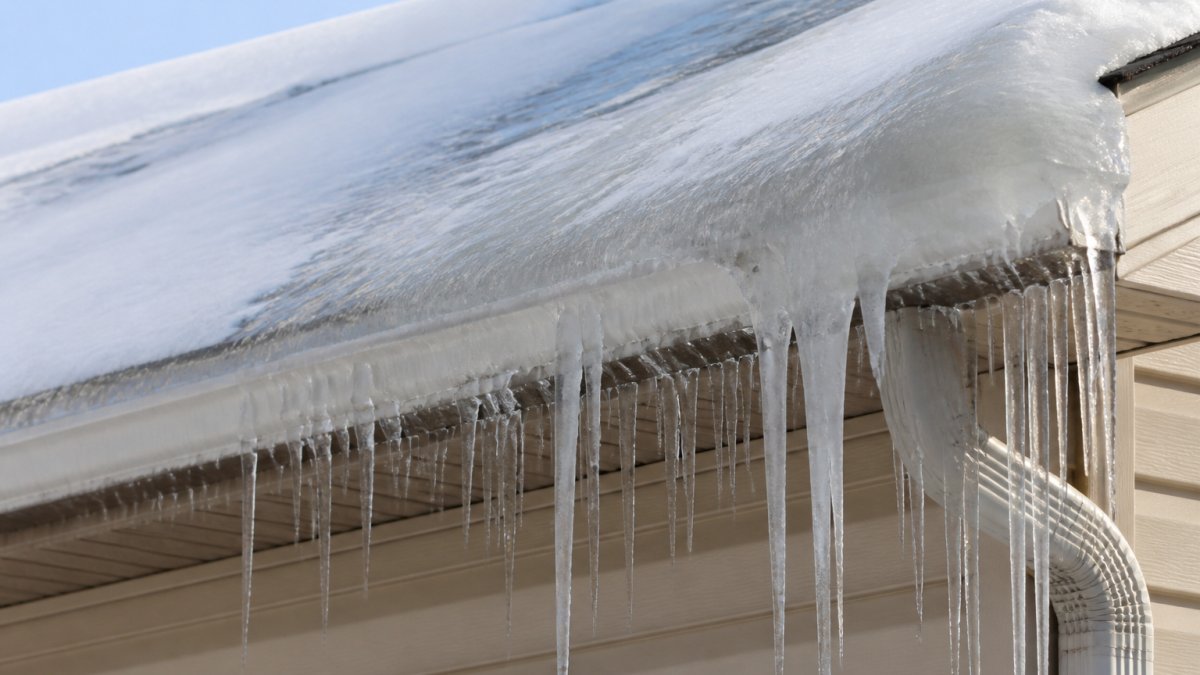
The freeze-thaw cycle that damages roofs
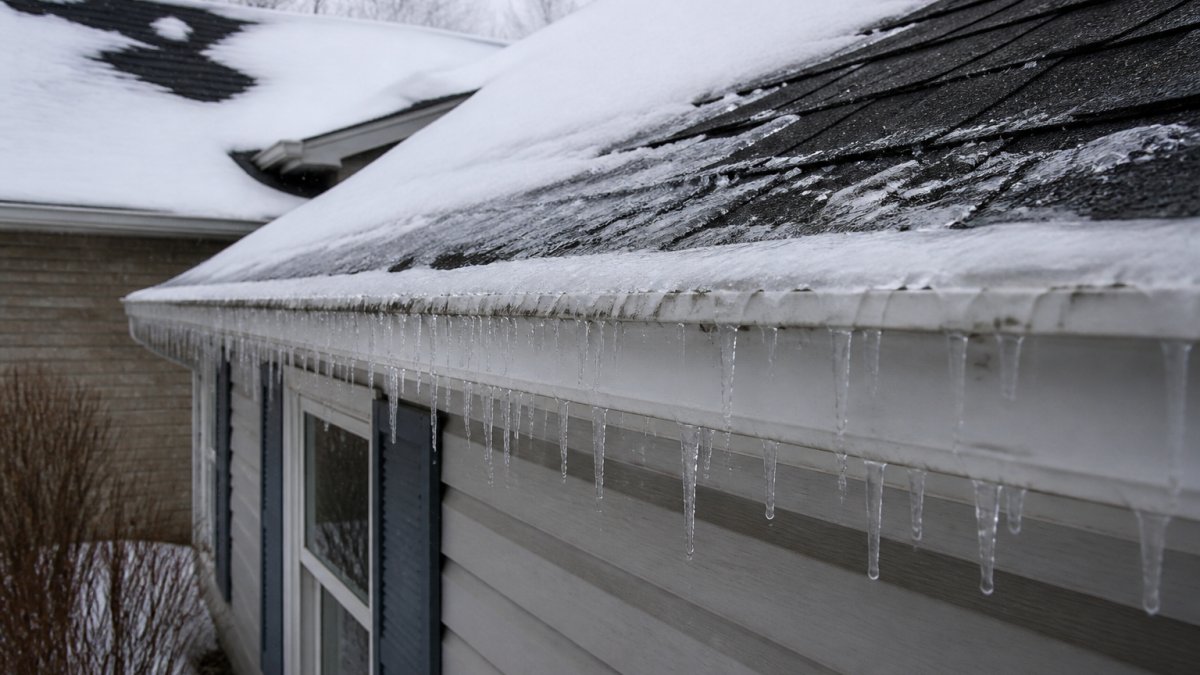
The freeze-thaw cycle drives ice dam formation. Snow melts during the day, then refreezes at night at the eaves. Warm air leaking from your attic accelerates this by melting snow on the upper roof while eaves stay cold. Water runs downhill, hits the cold eaves, freezes into a dam, and traps meltwater until it backs up under shingles and into your home.
Why attic heat loss accelerates the problem
Attic heat loss is the hidden driver of ice dam damage. Warm air escapes through air leaks around electrical outlets, ductwork, and ceiling penetrations, melting snow from below. Air leakage combined with inadequate insulation is the real culprit.
At Roof King LLC, we've seen this pattern repeatedly in Lenawee and Jackson County homes. The homeowners who prevent water damage from lake effect snow most effectively address attic heat loss first.
Winter Roof Inspection: Identifying Vulnerable Areas
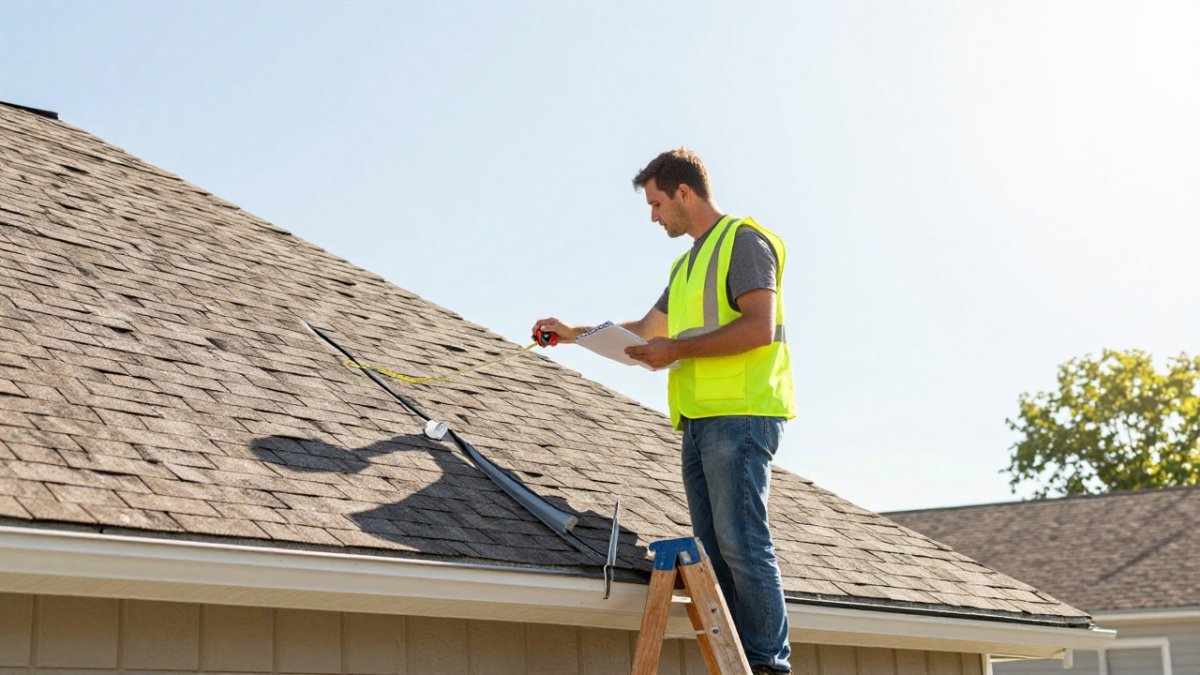
A winter roof inspection reveals vulnerable areas. Catch them before heavy snow arrives, and recognize warning signs once winter weather begins.
Fall inspection: Before lake effect snow season
Conduct an attic and exterior inspection in September or early October, before the first heavy snow.
Inside your attic, look for:
- Daylight visible through roof cracks or gaps, Direct air leak pathways that warm air will exploit.
- Frost or ice buildup on roof framing, Sign of excessive attic warmth and heat loss.
- Wet insulation or water staining, Evidence of past leaks; wet insulation has lost R-value and must be replaced.
- Gaps around ductwork, electrical penetrations, or plumbing vents, Most common air leak sources.
- Insulation depth, Michigan code requires R-38 to R-49. Less than 10 inches is below code and high-risk.
- Soffit and ridge vents, Ensure soffit vents are not blocked by insulation or debris, and ridge vents are clear.
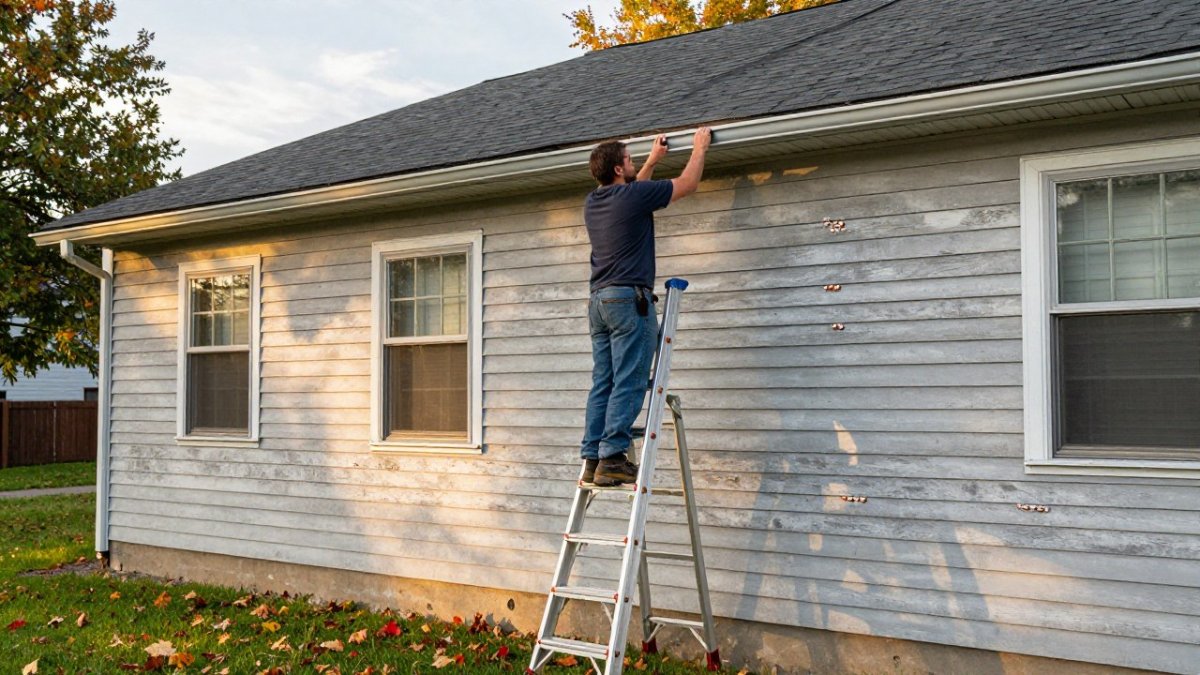
Walk your roof perimeter from the ground using binoculars. Check eaves for dark streaks or staining (signs of past water backup). Ensure gutters slope toward downspouts, are clear of debris, and downspouts direct water at least 4-6 feet from your foundation.
Mid-winter warning signs: What to watch for during snow season
Once snow arrives, watch for these signs of active ice dam formation or water intrusion:
- Interior ceiling stains or peeling paint, Water has penetrated your roof; address immediately to prevent mold and structural damage.
- Mold or mildew smell in attic spaces, Indicates moisture accumulation.
- Sagging or wet insulation, Wet insulation loses R-value and promotes mold growth.
- Ice extending more than 6 inches up the roof face, Water is backing up; remove snow from eaves immediately and call a professional.
- Water pooling in gutters or backing up behind ice, Active water intrusion is occurring.
- Large icicles hanging from gutters or eaves, Indicate significant melt at the eaves.
Distinguishing the root cause
Identifying the cause helps you prioritize fixes:
Heat loss: Ice dams on upper roof with warm attic, fix with air sealing and insulation upgrades.
Blocked ventilation: Ice dams at eaves with normal attic temperature, check soffit vents for blockage.
Blocked gutters or downspouts: Water backs up in specific sections, clean gutters and extend downspouts.
Heavy snow load: Remove snow from eaves proactively after heavy snow.
Most homes have multiple contributing factors.
Attic Insulation and Air Sealing: The Foundation of Prevention
Proper attic insulation and air sealing are the foundation of preventing water damage from lake effect snow.
How insulation levels affect roof temperature
Insulation slows heat transfer into the attic. Michigan building codes require R-38 to R-49 depending on location. Less than R-30 puts you at high risk for ice dams. Air can bypass insulation through gaps and cracks, so a properly sealed attic with adequate insulation is essential.
Sealing air leaks that cause heat loss
Warm air escapes through gaps around electrical outlets, light fixtures, ductwork, HVAC penetrations, plumbing vent stacks, attic access hatches, and where exterior walls meet the roof. Sealing these leaks with caulk, weatherstripping, or spray foam reduces heat loss and ice dam formation.
Roof and Attic Ventilation for Cold Roof Performance
Proper ventilation keeps your roof cold by allowing outside air to flow under the roof sheathing. A balanced system has intake vents at the eaves and exhaust vents at the ridge. Blocked or insufficient ventilation allows heat to build up, causing snow melt and ice dams. Check soffit vents for blockage and ensure ridge vents are clear.
Gutter and Downspout Maintenance to Stop Water Backup
Clean gutters in fall and early spring to allow meltwater to drain. Debris clogs gutters and causes water backup and ice dams. Downspouts should direct water at least 4-6 feet away from your foundation. In winter, ice can form inside gutters and block water flow; be cautious about removing it, falling ice is dangerous.
Ice Dam Prevention: Keeping Snow From Melting at the Eaves
Preventing water damage from lake effect snow means stopping ice dams before they form. The most effective approach combines multiple strategies, but not all are equally important or permanent.
The prevention hierarchy: What to prioritize
Think of ice dam prevention in three tiers:
Tier 1: Attic heat loss control (permanent, most effective)
Seal air leaks and add insulation so your roof stays cold.
Tier 2: Ventilation and drainage (permanent, foundational)
Book my free Roof Quote Today →
Ensure balanced attic ventilation (soffit intake + ridge exhaust vents) so cold air flows under the roof deck. Clean gutters and extend downspouts so meltwater drains away.
Tier 3: Temporary or reactive measures (seasonal, limited scope)
These address ice dams that form despite Tier 1 and 2 work, or provide short-term relief while you plan permanent fixes.
Temporary solutions: Heat cables and ice-and-water shield
Heat cables are electric cables installed along eaves and in gutters that melt channels through ice so water can drain. They provide immediate relief of existing ice dams but do NOT prevent them. They consume electricity continuously during winter and require professional installation.
Ice-and-water shield is a self-adhering underlayment installed under roof shingles during replacement or repair. It seals around nail holes and creates a waterproof barrier if water backs up.
The permanent solution: Address the root cause
The most effective ice dam prevention combines three elements:
-
Adequate attic insulation, R-38 to R-49 depending on location, slowing heat transfer and keeping your roof cold.
-
Air sealing, Seal gaps around electrical outlets, ductwork, plumbing vents, and attic access points where warm air escapes into the roof cavity.
-
Proper ventilation, Balanced soffit and ridge vents allow cold air to flow under the roof deck, carrying away heat. Blocked vents allow heat to build up.
When all three are in place, your roof deck stays near outside air temperature and ice dams don't form.
When to combine approaches
If planning a roof replacement, specify ice-and-water shield in high-risk zones as a layer of protection while you plan attic improvements. If you have an existing ice dam problem and cannot immediately do attic work, heat cables provide temporary relief. If your attic is already well-insulated and sealed but you still see occasional ice dams, the issue may be drainage, clean gutters, extend downspouts, and remove snow from eaves proactively.
Roof Snow Removal Safety and Timing
Removing snow from your roof can reduce ice dam risk, but it must be done safely and at the right time.
When to remove snow and when to wait
Remove snow when you have 12 inches or more accumulation. Light snow often melts on its own. Don't remove snow immediately after a storm if temperatures are below freezing, the snow provides insulation. Remove snow from the eaves area first, where ice dams form.
Safe removal methods and professional help
Using a roof rake from the ground is the safest option. Never climb on a snowy or icy roof, falls cause serious injuries. If your roof is steep or icy, hire a professional. Professional snow removal is especially important after heavy lake effect snow events.
Addressing Roof Leaks From Snowmelt: Detection and Response
Despite your best prevention efforts, water sometimes enters your home. Early detection and quick response limit damage.
How to spot interior water damage early
Check your attic regularly during winter. Look for water stains, wet insulation, or dripping water. These are signs that water is entering your home.
Interior ceiling stains are the most obvious sign. They often appear near outside walls or in corners.
Don't wait for stains to appear before checking. Regular attic inspections during winter catch problems early, before they cause extensive damage.
Emergency steps if water is already entering
If you discover active water intrusion, move insulation away from the wet area to allow it to dry and place buckets under drips. Call a professional roofer immediately, the longer water sits, the greater the risk of mold and structural damage.
Water damage from lake effect snow is preventable, but it requires a comprehensive approach. Start with attic insulation and air sealing to keep your roof cold. Ensure proper ventilation and maintain clean gutters.
Frequently Asked Questions
How can I prevent ice dams from forming on my roof?
The most effective approach combines three actions: seal air leaks in your attic to reduce heat loss, add insulation to meet or exceed code requirements, and ensure roof ventilation is balanced and unobstructed. Clean gutters and downspouts before winter so meltwater drains freely. If your roof is prone to ice dams, consider installing ice-and-water shield underlayment along the eaves during roof work. These steps work together to keep your roof deck cold and prevent the freeze-thaw cycle that creates dams.
What should I do if snowmelt is leaking through my ceiling?
Act immediately to prevent mold and structural damage. Move furniture and valuables away from the leak, place buckets to catch water, and document the damage with photos for your insurance claim. Temporarily increase attic ventilation if safe to do so. Contact a professional roofer to inspect the roof and identify where water is entering. Do not delay, water intrusion spreads quickly and becomes costly. A roofer can determine whether the leak is from an ice dam, damaged shingles, or flashing failure.
How does lake-effect snow lead to roof leaks?
Lake-effect snow is heavy and wet, piling up quickly on roofs. When your attic is too warm due to poor insulation or air leaks, heat melts the bottom layer of snow. This meltwater runs down to the unheated eaves, where it refreezes into an ice dam. Water backs up behind the dam, forcing its way under shingles and through the roof deck into your home. The cycle repeats with each warm day and cold night, pushing water deeper into the structure until it appears as ceiling stains, mold, or interior damage.
When should I call a roofer about an ice dam?
Call a roofer immediately if you see water stains on your ceiling, notice mold or discoloration, or suspect water has entered your attic. If an ice dam is actively forming and you see icicles hanging from your eaves, contact a professional for safe removal and inspection. Do not attempt to remove ice dams yourself with picks or hammers, as this risks falls and roof damage. A professional roofer can safely remove the dam, inspect for water intrusion, and recommend permanent prevention measures like improved insulation and ventilation.